Daily Life in Memory Care: What Families Need to Know
Everyday life in memory care facilities is meticulously designed to meet the specific requirements of residents with memory impairments. Routines provide a sense of stability, while engaging activities promote cognitive function and social interaction. Understanding these elements is essential for families. They can foster a supportive environment that reduces anxiety and boosts well-being. However, the role of compassionate staff in this process must not be underestimated. What specific strategies do they utilize to provide quality care?
Everyday Life in Memory Care Centers: What to Anticipate
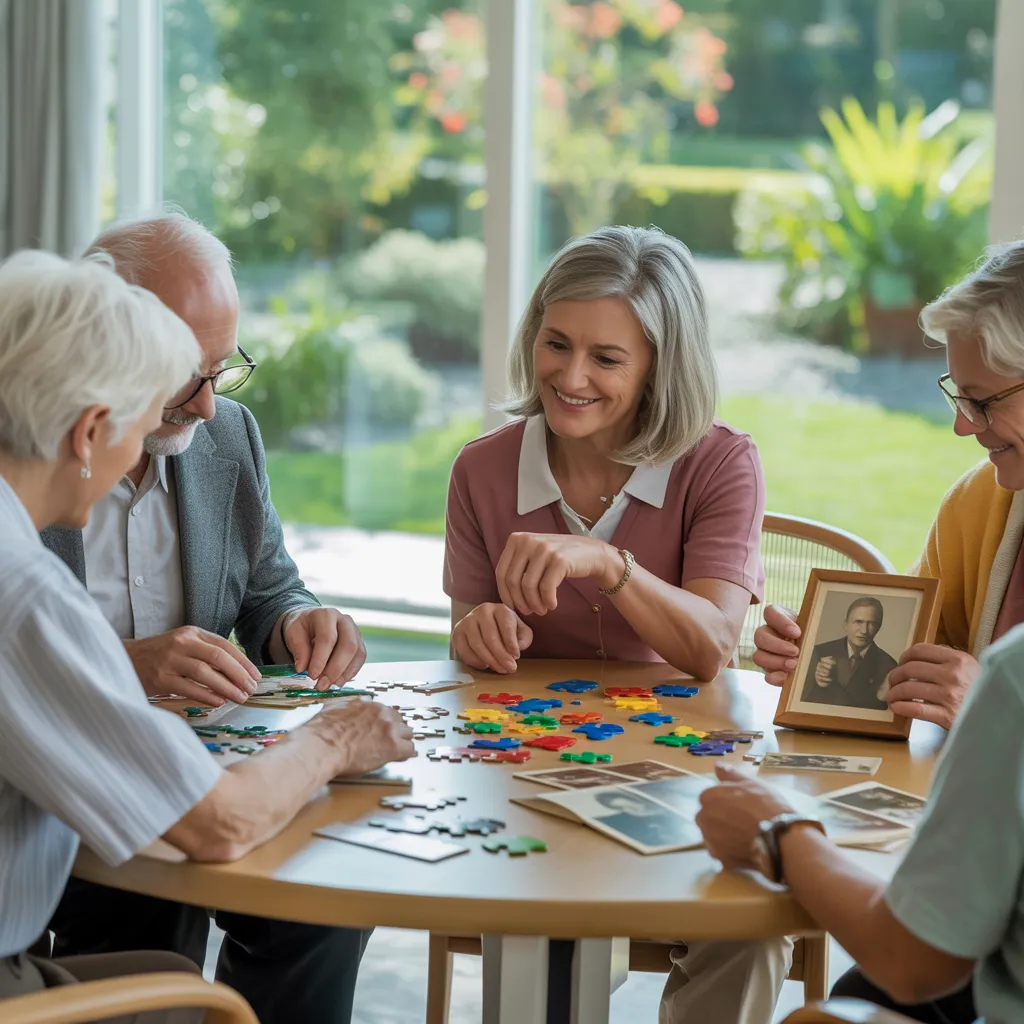
What does a typical day look like in a memory care facility? Each day commences with residents waking to a soft routine, usually assisted by caring staff members. Once breakfast is finished, residents may participate in different activities intended to boost cognitive functions, like puzzles or art projects. Interpersonal interaction is encouraged, giving residents the opportunity to connect with one another and share experiences.
At midday, healthy meals are prepared, often adapted to specific dietary preferences. Upon completing lunch, residents might participate in group exercises or experience quiet time for relaxation or personal introspection.
As the afternoon progresses, staff members often lead memory-boosting activities or reminiscence-based activities, fostering interaction with past memories. The day usually ends with a soothing evening schedule, enabling residents to unwind before bedtime. Across the entire day, a supportive atmosphere is maintained, making certain residents feel comfortable and cherished within the community.
Habits That Provide Stability and Comfort
While routines might appear mundane, they serve an essential function in providing stability and comfort for residents in memory care facilities. Systematic daily schedules assist individuals with memory impairments feel safe, as predictability reduces anxiety and confusion. Standard routines usually include mealtimes, personal care, and recreational activities, all of which are generally held at the same time each day.
These consistent patterns aid residents in recognizing familiar activities, promoting a sense of familiarity and routine. Care team members regularly encourage participation in these routines, promoting social engagement and emotional wellness.
Moreover, sensory activities including music or gardening can be integrated into daily schedules, increasing comfort and engagement. Overall, well-structured routines greatly improve the quality of life for residents, making their days more comfortable and structured, while also offering families confidence in their loved ones' well-being.
Mental Activities That Enhance Memory and Engagement
Cognitive activities play an essential role in enhancing memory and engagement for residents in memory care facilities, complementing the stability provided by daily routines. These activities can vary widely, including puzzles, memory games, and arts and crafts, all designed to stimulate mental function.
Collective activities, including recall activities or trivia games, foster social interaction while promoting cognitive activity. Furthermore, individualized activities tailored to a resident's personal interests and past experiences can create a sense of meaning and belonging.
Additionally, music therapy has shown to be highly effective, as well-known songs can stimulate recollections and sentiments, enhancing cognitive recall. Routinely including these exercises aids in retaining mental capabilities and improving general quality of life.
In the end, a thoughtful approach integrating cognitive activities with daily routines can substantially enhance the lives of residents, promoting a sense of satisfaction and joy in their daily experiences.
Caring Employees: Essential for Quality Care
Dedicated staff members are crucial to delivering quality care in memory care facilities. Their recognition of the specific challenges experienced by residents with cognitive impairments cultivates an environment of trust and respect. This specialized training empowers caregivers to communicate successfully, adapting their approach to satisfy the individual needs of each resident. By exhibiting empathy and patience, staff can alleviate feelings of confusion and anxiety, elevating the overall welfare of those in their care.
In addition, empathetic staff members play an essential role in developing significant relationships with residents, which can significantly impact their emotional state. Their steady presence and attentiveness allow residents to feel cherished, promoting a sense of belonging. Families can take comfort in knowing that their loved ones are surrounded by individuals who sincerely care about their contentment and dignity. In the end, a compassionate approach not only enhances daily interactions but also improves the quality of life within memory care communities.
How Consistent Daily Routines Promote Safety and Comfort for Residents
A structured daily routine plays an important role in helping residents feel secure in memory care environments. Engaging activities and events further enhance this sense of comfort by providing structure and opportunities for social interaction. Together, these factors cultivate a reassuring atmosphere that allows individuals to thrive.
Dependable Daily Program
When residents are provided with a predictable daily schedule, they typically enjoy a greater sense of comfort and stability. A consistent routine supports individuals with memory impairments by minimizing anxiety and confusion, as they know what to expect throughout the day. Routinely organized meals, activities, and rest periods form a structured environment that fosters familiarity and stability. This predictability can strengthen their emotional well-being, as residents feel more secure in their surroundings. Furthermore, a daily schedule allows caregivers to effectively organize time and resources, ensuring that each resident receives the attention they need. Overall, a predictable daily routine plays an vital role in promoting a sense of routine and connection for those living in memory care facilities.
Stimulating Events and Functions
Meaningful activities and scheduled events serve as crucial aspects of a daily routine in memory care settings, supporting the predictability that residents rely on for comfort. These activities, varying from arts and crafts to music therapy, enhance cognitive function and facilitate social interaction among residents. Involvement in familiar tasks, such as gardening or cooking, can awaken positive memories and boost a sense of purpose. Regularly scheduled events, like themed parties or exercise classes, create community and reduce feelings of isolation. Care staff frequently customize activities to individual preferences, making sure that each resident feels valued and included. By integrating engaging activities into their routines, memory care facilities establish an environment that promotes safety, comfort, and overall well-being for residents.
Best Communication Strategies for Families?
Clear communication is vital for families managing the challenges of memory care. Families should make a priority of clear, empathetic dialogue, realizing that individuals with memory impairments may struggle to process information. It is useful to use simple language, maintain eye contact, and speak slowly, giving time for responses. Non-verbal cues, such as gestures and facial expressions, can enhance understanding and connection.
Attentive listening is crucial; families need to be attentive to the emotional tone and body language of their loved ones. Reassurance and validation of feelings can foster a supportive environment. In addition, using familiar topics or reminiscing about shared experiences may encourage engagement and recognition.
Involving caregivers in dialogues can provide valuable insights into effective communication strategies tailored to the person's needs. Ultimately, patience and consistency in communication can significantly improve interactions and reinforce relationships within the context of memory care.
Frequently Asked Questions
How Can Family Members Take Part in Their Loved One's Daily Activities?
Families may take part in their loved one's daily activities by visiting regularly, participating in dialogue, participating in recreational programs, helping during mealtimes, and delivering emotional support, thereby content fostering strong relationships and enriching the overall experience.
Do Family Members Have Designated Visiting Hours in Memory Care Facilities?
Operating hours for visitors in memory care facilities often vary by facility location, with many allowing flexible visitation to suit family schedules. It is best for families to review specific guidelines with the facility for correct information.
What Should Family Members Bring Along When Visiting Loved Ones?
Family visitors should bring well-known items, for copyrightple pictures or beloved snacks, to strengthen their connection. Personal hygiene products like skin care products or clothes can prove comforting, alongside stimulating activities for copyrightple books or entertaining games to stimulate engagement.
How Do Memory Care Facilities Address Medical Emergencies?
Memory care facilities typically have trained staff available 24/7 to respond to medical emergencies. They maintain close relationships with local hospitals and healthcare providers, ensuring timely response and appropriate care for residents experiencing health crises.
Is It Possible for Residents to Personalize Their Living Spaces in Memory Care?
Those residing in memory care facilities often have the ability to personalize their living spaces. This may include incorporating personal possessions, decorative items, or photos, which can help establish a recognizable and comforting environment for residents.